Garmin's Titanium Trick: How They Achieve That Sleek, Rugged Watch Case
Garmin is pulling back the curtain on the sophisticated manufacturing process behind the impressive titanium cases found on their Fenix 9 Pro and Marq Gen 3 smartwatches, revealing a high-tech dance of precision and material science.
The Story
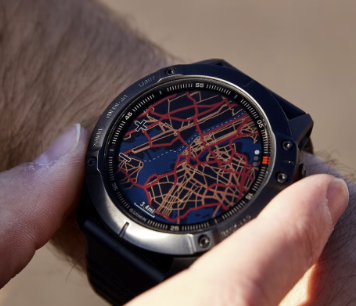
Garmin has offered a fascinating glimpse into the creation of the advanced titanium cases for their premium Fenix 9 Pro and Marq Gen 3 smartwatches. The company revealed that these aren't your average metal enclosures. Instead, they employ a cutting-edge technique called nano-molding, which involves depositing a thin layer of titanium onto a mold with incredible accuracy. This process allows for the creation of intricate designs and a remarkably smooth, almost seamless surface finish. The result is a case that is not only exceptionally durable and lightweight, thanks to the titanium, but also boasts a refined aesthetic that sets it apart from more conventionally constructed watch bodies. Garmin emphasizes the precision involved, noting that achieving this level of detail requires meticulous control over the molding and deposition stages. The company highlighted that the surface of the finished case is designed to be exceptionally smooth, a testament to the nano-molding technology at play.
Why It Matters
For gadget enthusiasts and serious athletes alike, the materials and construction of their wearable tech directly impact both performance and longevity. Titanium has long been a sought-after material in high-end watches for its strength-to-weight ratio and resistance to corrosion, making it ideal for devices that are likely to endure demanding conditions. Garmin's adoption of nano-molding for titanium takes this a step further. It suggests a commitment to pushing the boundaries of what's possible in consumer electronics manufacturing, aiming for a product that is both robust enough for extreme adventures and stylish enough for everyday wear. This level of manufacturing detail can translate to a more comfortable fit, a more premium feel, and a device that can withstand the inevitable bumps and scrapes of an active lifestyle. It also hints at a broader trend in the industry towards more sophisticated material processing to achieve unique design and functional benefits.
Desk Take
It's always refreshing when a company like Garmin decides to demystify their product development, especially when it involves such advanced techniques. The nano-molding of titanium isn't just a buzzword; it's a tangible innovation that directly impacts the user experience. We’re talking about a smartwatch that can potentially feel lighter on the wrist, resist scratches better, and look undeniably premium. This level of detail in case construction is precisely the kind of thing that differentiates top-tier gadgets. While the specifics of the nano-molding process itself remain somewhat proprietary – as expected – Garmin's explanation underscores the blend of material science and precision engineering required. For those who invest in these high-end devices, understanding the 'how' behind the 'what' adds significant value. It’s a reminder that beneath the sleek exterior of our favorite gadgets often lies a world of complex and ingenious manufacturing processes, moving beyond simple assembly to true material innovation. We're keen to see if this nano-molding approach becomes a more widespread practice across the wearable tech landscape.