The Story
Nostalgia is a powerful thing, especially when it comes to those brick-like Nokia phones that defined an era. How does the cost of owning an iconic device from the mid-90s compare to today, or even the near future? While exact figures fluctuate, a general comparison paints an interesting picture.
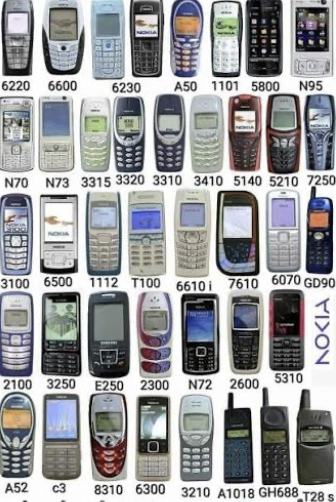
In 1996, a new Nokia phone was a significant investment. These weren't budget devices; they were cutting-edge communication tools. Devices like the Nokia 8110 ('banana phone') or the robust Nokia 3310 (released in 2000) commanded prices reflecting their technological prowess and the nascent mobile market. Purchasing one often meant shelling out a substantial sum, equivalent to a considerable portion of an average person's monthly income.
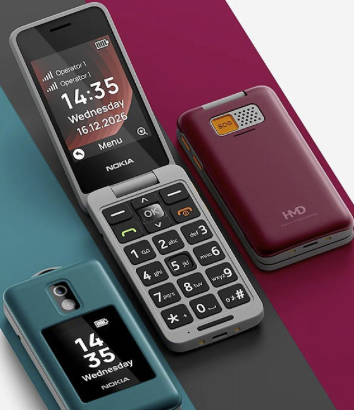
Today, the landscape is vastly different. HMD Global, the current stewards of the Nokia brand, produce feature phones with much more accessible pricing. You can pick up a new Nokia feature phone for a fraction of what its predecessors cost in the 90s, adjusted for inflation. This shift is due to the mobile industry's maturation, increased competition, and the rise of smartphones. However, for collectors seeking specific vintage models, prices can still climb, especially for pristine, boxed units.
Predicting the exact cost of a Nokia phone in 2026 is speculative. HMD's current feature phone lineup will likely see minor adjustments due to inflation or component costs. The real wildcard is HMD's future strategy. Will they lean further into retro-inspired devices? A purely functional feature phone might remain affordable, while a 'heritage' model with modern conveniences could command a premium, tapping into the collector and nostalgia market.
Why It Matters
This price comparison highlights the evolution of mobile technology and its accessibility. In 1996, a mobile phone was a luxury item. Today, basic mobile phones are ubiquitous, reflecting a democratization of communication technology. Understanding historical price points helps us appreciate progress and provides context for the current market where feature phones and smartphones coexist.
Furthermore, it speaks to the enduring appeal of the Nokia brand. Despite smartphone dominance, a market for simple, reliable devices persists. HMD Global's strategy of leveraging the Nokia legacy, particularly with feature phones, shows sustained interest in devices prioritizing battery life, durability, and ease of use. Future pricing will likely be influenced by how well HMD balances retro appeal with modern manufacturing costs and consumer expectations.
Desk Take
It's fascinating to consider the cost of entry for mobile communication back in the day. The Nokia 8110 was a statement. Today, a new Nokia feature phone is pocket change compared to 90s prices. If HMD continues with retro-inspired devices, we might see interesting price tags by 2026, catering to both budget-conscious buyers and nostalgic collectors. It's a testament to Nokia's legacy that even their simpler offerings continue to spark curiosity and hold value.